The thesis holds. The CEO is the variable.
You underwrote a plan that assumes the person running this company can run a bigger one. Usually nobody is checking that assumption, and nobody is developing them against it. We do both, weekly, with the evidence going to your board.
65% of portfolio CEOs are replaced during the hold.
Not for want of a plan. The plan is usually fine. It assumes a level of operating capability that nobody installed, measured or built. See what the board gets →
83% of firms say an unplanned CEO transition lengthens the holding period. Around half say leadership turnover reduces returns. Source: AlixPartners PE Leadership Survey. One prevented CEO failure pays for years of a retainer.
Between the board pack and the front line, nobody is developing the CEO.
Your operating partner carries eight companies. The board meets four times a year. Meanwhile the person in the chair is running a company two sizes bigger than the one they built, and the only real feedback loop is a monthly pack that reports what already happened.
- The founder who cannot let go. Every decision still routes through them, so the second layer never develops and the business cannot be sold without them in it.
- The founder who was never a CEO. They built a great product or a great sales motion. Budgeting, hiring, and holding a leadership team to account: nobody ever taught them any of it.
- The searcher in seat one. Credentialed, capable, and running a real company for the first time, with investors who have ears and a mouth but not hands.
- The team that outgrew its meetings. Good people, no cadence. Priorities reset every week and nothing compounds.
Built for the portfolios too small for a full time operating partner.
Search funds and their boards
You backed the operator as much as the asset, and it is their first time in the seat. We are the weekly layer between your quarterly board seat and the person running the company on Monday morning.
Independent sponsors and family offices
One to five founder led companies and no operating bench. You need the cadence installed once and then running without you, not another advisor with a deck and a quarterly opinion.
Lower middle market funds keeping the founder
You kept the founder post close because the business is, in large part, still them. That is usually the right call and it is also the largest single risk in the file. We de-risk it deliberately rather than hoping.
Not a fit: funds with a full in-house operating team. You already have this covered and we would be a fifth wheel. We will tell you that on the first call rather than after the invoice.
Artifacts your board can read, not a relationship you have to take on trust.
Every engagement produces things that go straight into the board pack. You are never asking how it is going and getting an adjective back. These are the Business Operating Suite™ deliverables, reframed for a sponsor rather than an owner.
- Operating scorecard. The owner, the metric and the number for every outcome in the company. Updated weekly, visible to whoever you decide sees it.
- Quarterly planning output. The twelve month plan, this quarter's priorities, and a named owner against each. One page the board can actually review.
- 100 day cadence install. Fixed scope, fixed end date, delivered as a project rather than an open ended retainer.
- Founder-CEO development plan. An assessed baseline, the two or three capabilities the value creation plan genuinely depends on, and tracked progress against them.
Alongside your operating partner and your board, not around them.
With your board
You set the value creation plan. We install the cadence that delivers it and report against it in the language of the board pack, on the same dates you already meet.
With your operating partner
They set direction across the portfolio. We are the weekly presence inside one company, which is the thing they do not have the hours to be.
With the CEO
They get one senior person who has actually run companies, in their corner, every week. That is why founders engage with this rather than defend against it, which is most of the battle.
The boundary, stated plainly. We do not take a seat, we do not run your P&L, and we do not replace anyone on your team. The capability has to live in the company after we leave, or the exit is buying our presence instead of their performance.
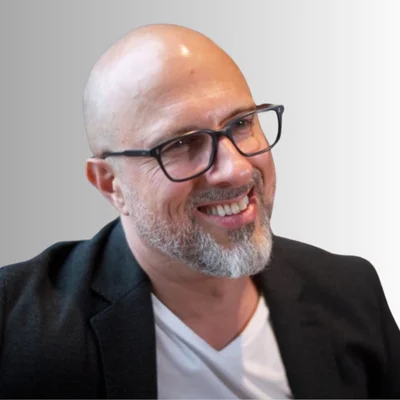
One operator, not a bench of associates.
Sponsors buy the distinction between someone who has run companies and someone who has only ever advised them, so it is worth being precise. Ari Jason ran operations at scale before he coached anyone.
- $5M to $150M in 14 years as COO of London Luxury LLC, at 29.9% CAGR
- $2Bn, 13 country restructuring as COO at Colt Telecom
- 50% infrastructure cost cut at GTT
- Transformation work at Bloomberg, Citi and Ford
- 25% average EBITDA CAGR across advisory clients
- ICF Member and IMAGO L1 facilitator, working across the US, UK and Middle East
What sponsors ask first.
Is this a fractional COO?
Do you take a board seat or an equity stake?
How is this different from executive coaching?
What if the founder is the wrong CEO?
What does it cost?
How quickly does anything change?
Start with the risk, not the pitch.
Tell us about the company, the hold period and the person in the chair. You get back a written founder-CEO transition risk brief: what the value creation plan depends on this person doing, where the gaps are, and an honest read on whether we are the right answer. Free, and useful either way.
Request a founder-CEO transition risk brief